Building a successful lighting brand requires more than attractive product designs. Lighting brands need reliable manufacturing partners who can transform product ideas into market-ready collections while maintaining consistent quality, competitive production costs, and dependable delivery.
For lighting brand owners, product managers, and purchasing directors, choosing the right OEM or ODM lighting manufacturer is one of the most important business decisions.
A qualified lighting manufacturing partner can support product development, engineering, prototyping, private labeling, customized packaging, quality control, and international production.
LEDVAST Lighting is an experienced lighting manufacturer established in 2009, providing OEM and ODM lighting manufacturing services through its production facilities in China and Thailand.
This guide explains how OEM and ODM lighting manufacturing works and what lighting brands should consider when selecting a long-term manufacturing partner.
1. What Is OEM Lighting Manufacturing?
OEM stands for Original Equipment Manufacturing.
In the lighting industry, OEM manufacturing means producing lighting fixtures according to a customer’s supplied designs, drawings, specifications, or product requirements.
The lighting brand typically controls the product concept and brand identity, while the manufacturer provides the engineering and production capabilities.
OEM lighting services may include:
- Manufacturing according to customer drawings.
- Customized product dimensions and structures.
- Specified LED chips, drivers, and electronic components.
- Customized materials and surface finishes.
- Private-label branding.
- Customized product labels and packaging.
- Production quality inspection.
OEM manufacturing is suitable for established lighting brands that already have product designs and need a reliable factory to manufacture them.
2. What Is ODM Lighting Manufacturing?
ODM stands for Original Design Manufacturing.
Unlike traditional OEM manufacturing, ODM allows a manufacturer to contribute more directly to product design and development.
An ODM lighting manufacturer can support customers with product concepts, industrial design, structural engineering, optical development, electronic integration, and prototype production.
ODM services are particularly useful for lighting brands that want to expand their product ranges without building a complete in-house engineering department.
For example, a lighting brand may want to launch a new collection of contemporary wall sconces, decorative pendant lights, smart mirror lamps, or architectural LED fixtures.
An ODM partner can help transform the initial requirements into a manufacturable product.
3. OEM vs. ODM: Which Is Better for Your Lighting Brand?
OEM and ODM are both valuable manufacturing models. The right choice depends on your product development strategy.
OEM Manufacturing
Best suited for:
- Established lighting brands.
- Companies with completed product designs.
- Brands with proprietary technical drawings.
- Buyers requiring specific product configurations.
Main advantage: Greater control over product specifications and design ownership arrangements.
ODM Manufacturing
Best suited for:
- New lighting brands.
- Companies expanding product categories.
- Brands seeking product development support.
- Buyers looking for differentiated products without developing everything internally.
Main advantage: Access to manufacturing engineering and product development resources.
Some projects combine both approaches. For example, a brand may select an existing ODM platform and request OEM customization of the housing, finish, electrical components, and packaging.
4. What Can a Professional OEM/ODM Lighting Manufacturer Customize?
A premium lighting manufacturing partner should offer more than simple logo printing.
Product Design and Structure
Customized product development can include:
- Fixture dimensions and proportions.
- Housing structure.
- Mounting and installation methods.
- Mechanical components.
- Heat management solutions.
- Customized molds and tooling.
Optical Performance
Lighting performance directly affects the customer experience.
Depending on the application, manufacturers may support:
- Customized optical lenses.
- Beam angle selection.
- Light distribution optimization.
- Glare control.
- Photometric testing and simulation.
Electrical and Smart Lighting Functions
Modern lighting brands increasingly require differentiated electronic features.
Potential customization options include:
- LED PCB solutions.
- Driver matching.
- Dimming functions.
- CCT selectable technology.
- Smart lighting controls.
- Customized electrical configurations.
Materials and Surface Finishing
Product appearance is particularly important for premium decorative and architectural lighting.
Options may include aluminum, stainless steel, acrylic, and other suitable materials, together with customized powder coating, painting, polishing, brushing, and other finishing processes.
Branding and Packaging
For private-label lighting brands, the final product presentation is essential.
OEM/ODM packaging services may include:
- Brand logo application.
- Customized product labels.
- Private-label cartons.
- Product manuals.
- Customized packaging design.
- Barcode and product identification requirements.
5. The OEM/ODM Lighting Manufacturing Process
A structured development process helps reduce product risks and improve production efficiency.
Step 1: Requirement Analysis
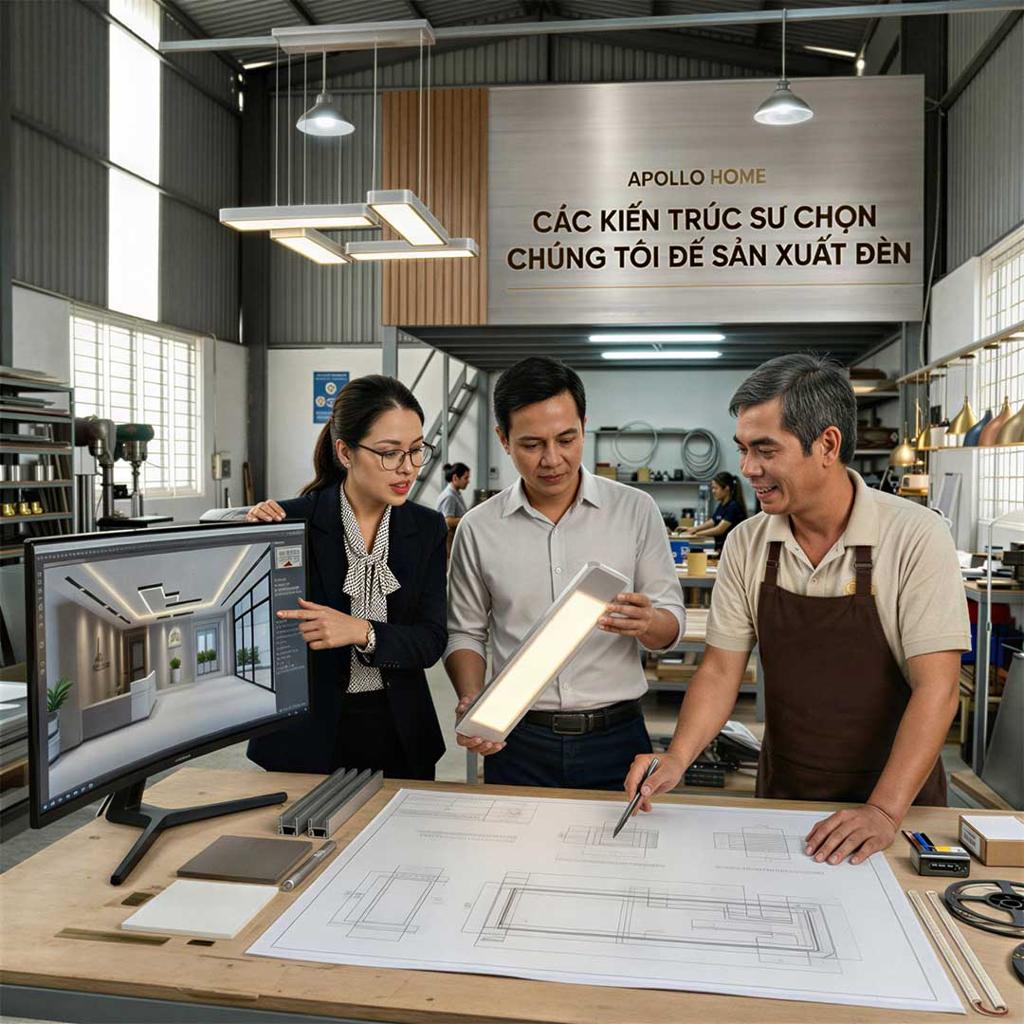
The manufacturer reviews the customer’s design concept, target market, application, budget, specifications, and expected order quantity.
Important information includes:
- Product reference images or drawings.
- Target dimensions.
- Materials and finishes.
- Lighting performance requirements.
- Electrical specifications.
- Certification requirements.
- Target cost and delivery expectations.
Step 2: Product Design and Engineering
The engineering team evaluates the product’s structural, electronic, and optical requirements.
3D drawings and photometric simulation may be used to review the design before prototype development.
Step 3: Prototype Development and Sample Approval
A prototype or sample allows the brand to evaluate appearance, dimensions, assembly, lighting performance, and finish quality.
Any necessary modifications should be completed before mass production approval.
Step 4: Tooling and Production Preparation
For products requiring customized molds or tooling, the manufacturer prepares the necessary production resources.
Assembly processes, component sourcing, and production planning are also finalized.
Step 5: Quality Control and Testing
Quality control should be integrated throughout production.
Depending on the product, testing may include:
- Incoming material inspection.
- Electrical safety checks.
- LED performance testing.
- Aging tests.
- Assembly inspection.
- Final product inspection.
Step 6: Packaging and International Shipment
After final approval, products are packed according to the brand’s requirements and prepared for international shipment.
6. Why Lighting Brands Should Consider Manufacturers with Dual Production Bases
Supply chain flexibility has become an important consideration for international lighting brands.
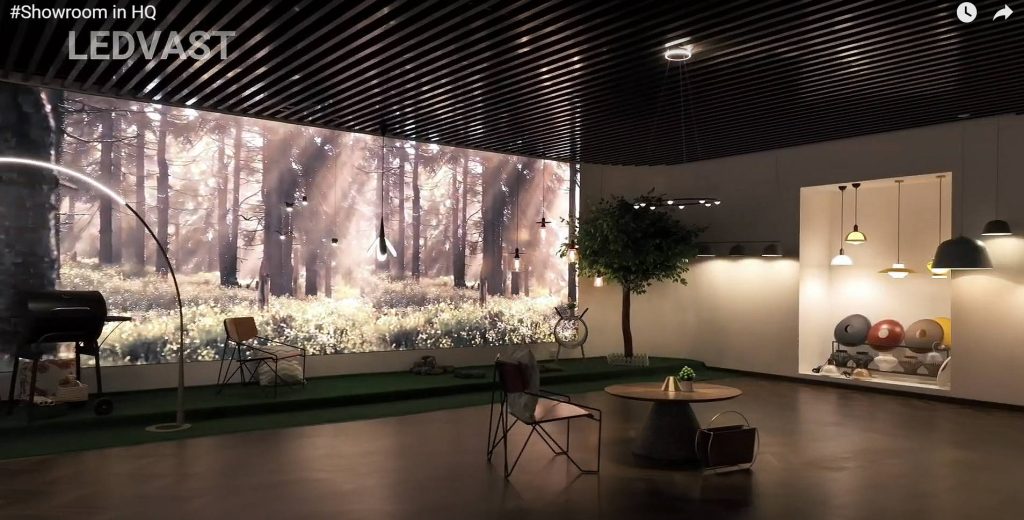
LEDVAST operates two lighting manufacturing facilities:
China Factory – Zhongshan, Guangdong
The China headquarters provides engineering, product development, prototyping, and manufacturing capabilities. Its approximately 35,000-square-meter facility supports a broad range of lighting development and production activities.
Thailand Factory – Bangkok
The Thailand factory has approximately 6,000 square meters of manufacturing space and focuses particularly on serving American and Southeast Asian markets.
For brands selling in different regions, having manufacturing resources in both countries can provide additional production planning and sourcing flexibility.
The appropriate production location should be evaluated according to product specifications, destination market, applicable origin rules, tariffs, certification requirements, and logistics costs.
A manufacturing location alone does not automatically determine a product’s country of origin or tariff treatment.
7. How to Protect Your Lighting Brand and Product Designs
Intellectual property protection is an important concern when developing exclusive lighting collections.
Before beginning an OEM/ODM project, brands should establish clear agreements covering:
- Product design ownership.
- Technical drawing confidentiality.
- Mold and tooling ownership.
- Restricted use of customer-specific designs.
- Confidentiality of commercial information.
- Authorized production quantities.
- Sample and specification approval.
LEDVAST states that it respects intellectual property rights and maintains confidential customer design and certification documents.
For brand owners developing exclusive collections, clearly documented IP and confidentiality arrangements are recommended.
8. How to Choose a Reliable OEM/ODM Lighting Manufacturer
Before entering a long-term manufacturing relationship, evaluate the following factors.
Engineering capabilities: Can the factory support structural, electronic, and optical development?
Manufacturing resources: Does it have suitable production equipment and in-house manufacturing capabilities?
Product quality: Are inspection and testing procedures clearly defined?
Market experience: Does the manufacturer understand the requirements of the US and European markets?
Customization capabilities: Can it provide customized structures, finishes, electronic components, and branding?
Production flexibility: Can it support both product development and larger production orders?
Communication: Can the engineering and sales teams communicate effectively throughout the project?
A factory visit, engineering discussion, and sample evaluation are useful steps before placing a significant production order.
9. Why Partner with LEDVAST Lighting?
LEDVAST Lighting has been manufacturing lighting products since 2009 and provides professional OEM and ODM services for global lighting customers.
Our capabilities include:
- Commercial and architectural LED lighting.
- Contemporary residential and decorative lighting.
- Hotel and project lighting.
- Smart lighting fixtures.
- Customized product structures.
- Optical lens and electronic solutions.
- 3D drawings and 3D-printed models.
- Customized surface treatments and finishes.
- Private-label branding and packaging.
With factories in China and Thailand, LEDVAST combines product engineering and manufacturing resources to support different customer requirements.
Our goal is to help lighting brands develop differentiated products, improve product quality, and build sustainable manufacturing partnerships.
10. Start Your OEM/ODM Lighting Project with LEDVAST
Whether you are launching a new lighting brand, expanding an existing product portfolio, or looking for an experienced OEM/ODM lighting manufacturer, LEDVAST is ready to discuss your requirements.
Send us your product drawings, reference images, specifications, target market, and estimated order quantity.
Our team can evaluate your project and discuss suitable product development and manufacturing solutions.
Contact LEDVAST Lighting
Website: https://www.ledvastlighting.com/
Email: freddie@ledvastlighting.com
Phone: +86 136 8645 1912
Frequently Asked Questions
What is the difference between OEM and ODM lighting manufacturing?
OEM manufacturing produces lighting products according to customer-supplied designs and specifications. ODM manufacturing includes more product design and engineering support from the manufacturer.
Can lighting brands customize products with their own logos?
Yes. OEM/ODM lighting manufacturers can provide private-label branding, customized product labels, and packaging according to customer requirements.
What information should I provide when requesting an OEM lighting quotation?
Provide product drawings or reference images, technical specifications, materials, finish requirements, estimated quantity, destination market, and certification requirements.
Can an ODM lighting manufacturer help develop a completely new product?
Yes. Depending on engineering capabilities, an ODM partner can assist with product concept evaluation, structural design, optical solutions, electronics, 3D modeling, and prototyping.
Does LEDVAST offer OEM and ODM lighting services?
Yes. LEDVAST offers OEM and ODM lighting services for commercial, architectural, residential, decorative, and smart lighting products.
Does LEDVAST have factories outside China?
Yes. LEDVAST operates manufacturing facilities in Zhongshan, China, and Bangkok, Thailand.
Can LEDVAST provide customized packaging for lighting brands?
Yes. Private-label branding and customized packaging are included in its OEM/ODM service capabilities.
How can I protect my product design when working with a lighting manufacturer?
Use written confidentiality, intellectual property, design ownership, tooling ownership, and production authorization agreements before sharing sensitive technical information or beginning production.